Keto Cycling for Weight Loss
By Cheryl Poulin
Keto Cycling For Weight Loss and Targeted Keto: Is It Right for You?
Have you ever heard someone say, "I do keto, but I have carbs on the weekend"? Or maybe, "I eat keto most of the time, but I have some carbs before I work out."
If you have, you've bumped into two approaches called keto cycling and targeted keto.
And if you're trying to lose weight, you might be wondering if one of these approaches is the answer you've been looking for.
But, before you start planning your Saturday night pizza, though, let's talk about who these approaches are actually for.
First, what does keto cycling and targeted keto even mean?
We know that traditional ketogenic eating keeps carbohydrate intake very low. Low enough that your body enters a state of ketosis.
Keto cycling involves periods of low-carb or ketogenic eating followed by planned periods of higher carbohydrate intake. A common example is five or six days of keto followed by a higher-carb day.
Targeted keto is a little different. You stay keto most of the time but you add a small amount of carbohydrate around exercise, usually before or immediately after a workout.
The idea behind both approaches is that you aren't necessarily eating keto every single day.
It does sound appealing, doesn't it? Especially if you've been doing low carb for a while and you're dreaming about a bowl of oatmeal or a baked potato!
But here's where I want you to slow down for a minute.
Who are these approaches really for?
Keto cycling for weight loss is not what a lean metabolically healthy person is looking for.
It's used by people who are already fit and physically active, like athletes who want to support high-intensity training.
That's a very different situation from someone like you and me who have metabolic health issues or have a long history of overeating highly processed carbohydrate-rich foods.
So, if your primary goal is fat loss and improving metabolic health, you don't need to add carbohydrate cycling simply because you heard it can improve your workouts.
If you're still carrying significant excess weight, have insulin resistance, Type 2 diabetes or trying to get your food cravings under control, staying consistently low carb is the simpler and best approach.
Why?
Because every time you deliberately add carbohydrates, you really have to ask yourself what happens next. And be honest with your answers.
Does it stay at the planned amount?
Does it make you hungrier?
Does it wake up the food noise?
And most importantly, can you go back to your usual way of eating without feeling deprived?
That's where the rubber meets the road.
It's not just about the carbs.
This is something I wish someone had explained to me years ago. When you're trying to lose weight, you're not simply managing calories or carbohydrates.
You're also changing your relationship with food. If you've spent years eating bread, pasta, sweets, chips, crackers and other highly processed foods, those foods have a very strong pull.
So, when someone says, "Just have a higher-carb day once a week," my first question isn't, "Will that kick me out of ketosis?"
My first question is: "What happens to me when I eat the carbs?"
For some people, nothing much happens. They enjoy the food, go back to their normal way of eating, and carry on.
For you and me? Well, we know how this story can go.
One cookie becomes three or a whole package. A planned higher-carb meal turns into a weekend of binge eating crappy food. And Monday arrives with that awful, "What the heck just happened?" feeling.
If that sounds familiar, keto cycling probably isn't your friend right now.
And that's okay.
But I exercise a lot! Why can't I have more carbs?
Some athletes find that having a small amount of carbohydrate around intense exercise helps them perform better. This is known as targeted keto. This is particularly relevant to activities that rely heavily on quick bursts of energy, such as sprinting, certain types of interval training and competitive sports.
But here's the thing. You don't need targeted keto to go for a walk or for moderate exercise.
If you're exercising to improve your health and lose weight, your body has plenty of stored energy available. You don't have to feed your workouts.
And then there's the ketosis question.
If staying in ketosis is part of why you're eating keto, adding carbohydrates will reduce ketone production. How much and for how long depends on the amount of carbohydrate, your activity level, your individual metabolism and what the rest of your diet looks like.
That isn't necessarily a problem. Being in ketosis isn't a magical switch that suddenly makes fat loss happen.
But if you find that keto helps control your appetite, reduce cravings and make eating easier, well then, regularly stepping out of ketosis can make the whole process harder than it needs to be.
And that's something worth paying attention to.
So, should you try keto cycling for weight loss
or targeted keto for better gym performance?
If you're lean, metabolically healthy and training hard, a targeted or cyclical approach can be a reasonable strategy to experiment with.
If you're still overweight and your primary goals are fat loss, better blood glucose control and getting your appetite under control, I'd be much more cautious.
Not because carbohydrates are evil. They're not. It's because the simplest plan that works is usually the best plan.
If eating low carb consistently is helping you feel satisfied, keeping your food choices simple and quieting the constant chatter about food, why complicate it? You don't get extra points for making your diet harder.
Here's the question I'd rather you ask...
Instead of asking:
"When can I start eating carbs again?"
Ask:
"What way of eating helps me feel the most in control around food?"
That's a very different question.
And if you're someone who has spent years dieting, losing weight, regaining it, starting over and blaming yourself every time it didn't work, I want you to pay attention to this.
The goal is to find a way of eating that helps you lose the excess weight without feeling like you're fighting yourself every single day.
If keto is doing that for you, keep doing that.
When you've reached a healthier weight, your blood glucose and other markers have improved, your relationship with food is steadier and you're exercising regularly, you can decide whether experimenting with cyclical or targeted keto makes sense for you.
One step at a time.
Let's go back to the HOME page.
Share With Your Friends
Site Navigation
Recent Site Updates


-
Why Keto Cycling for Weight Loss is Stalling Your Plan. So Try This.
Aug 23, 26 09:18 AM
If you're still trying to lose weight and trying to get metabolically healthy, keto cycling for weight loss may not be the right move for you just yet! -
I'm Cheryl Poulin, a Professional Food Addiction Counselor
Aug 22, 26 11:19 AM
 I'm Cheryl Poulin. I help people overcome weight-loss resistance, so they can experience optimal health, wear the clothes they want, and make peace with food.
 -
What Is Body Dysmorphic Disorder -Phantom Fat -The Mirror Has 2 Faces
May 31, 25 05:17 PM
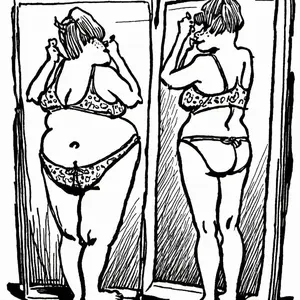 What is body dysmorphic disorder? Maybe you’ve lost weight but still feel “big,” or perhaps you’ve gained weight but see yourself slim as always.
 -
The Sardine Fast Way to Lose Weight
May 31, 25 12:21 PM
 The Sardine Fast AKA The 3 Day Sardine Fast is a fantastic way to lose weight quickly. Simple and uncomplicated. Learn more here.
 -
3 Day Egg Fast
May 12, 25 09:05 AM
 Is the 3 Day Egg Fast right for you? Maybe yes. Maybe no. Here's what you need to know. Read this before venturing down this path.
 -
Here are Cheryl Poulin testimonials.
May 04, 25 09:46 AM
 Here's what some of my clients have had to say about working with me as their personal coach.